
The 15-Minute Myth: Why Fee-for-Service Healthcare Fails Chronic Illness
Modern acute medicine excels in handling catastrophic trauma, acute cardiovascular events, or severe bacterial infections. For example, an orthopaedic surgeon can align a fractured bone, set it in a cast, and after six weeks, the bone heals, ending the acute episode.
However, applying this acute-focused approach to chronic illness creates a significant mismatch in healthcare.

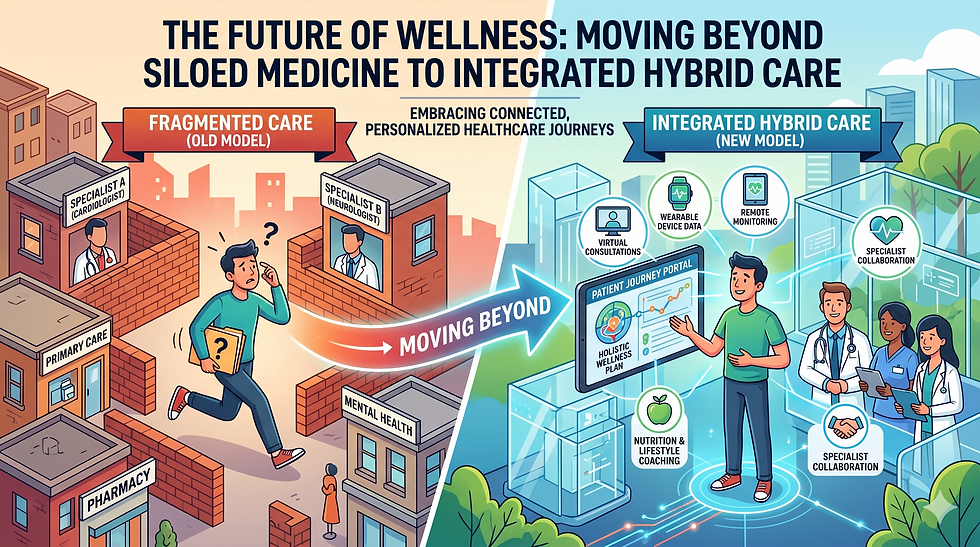
The current biomedical model follows an episodic, transaction-based approach: an acute symptom prompts a clinical visit, diagnostics identify the issue, a standard intervention is given, and the patient is discharged. In a fee-for-service system, providers are paid for volume and acute consultations, leading to brief, 15-minute appointments spaced weeks or months apart. Managing complex, long-term conditions with 15-minute visits is not only ineffective but also biologically and structurally irrational.
Chronic Illness Is a Complex System, Not an Isolated Event

In multi-system conditions like persistent fatigue, metabolic syndrome, autoimmune dysregulation, central pain sensitisation, and recurrent musculoskeletal instability, pathology is not a one-time event. These conditions are complex adaptive physiological systems under chronic metabolic, biomechanical, and neuroendocrine strain. Treating these evolving systems with brief consultations, limited therapy sessions, or simple prescriptions overlooks the disease's root causes. Brief clinical encounters leave patients in a therapeutic void between visits, a major vulnerability in modern care, leading to high readmission rates, surgical failures, and chronic rehabilitation plateaus.
You Cannot Prescribe Away the "Knowing–Doing Gap"

When a patient with chronic pain or metabolic exhaustion fails to implement dietary overhauls, misses home exercise targets, or relapses into draining habits, fee-for-service culture routinely resorts to victim-blaming: the patient was non-compliant, unmotivated, or undisciplined. This stance demonstrates a fundamental misunderstanding of the neurobiology of chronic illness. When an individual lives under persistent pain or chronic fatigue, the autonomic nervous system is driven into prolonged sympathetic dominance—the biological fight-or-flight state. In this state:
Prefrontal Executive Depletion: The prefrontal cortex, crucial for planning and impulse control, requires significant energy. Stress diverts resources to survival networks, making it unrealistic to expect stressed patients to manage complex lifestyle changes.
Suppressed Tissue Repair: High cortisol and inflammatory cytokines hinder collagen synthesis and tendon remodelling and increase gut permeability.
The Shame-Relapse Cycle: Rigid compliance demands lead to failure and guilt, reactivating stress responses and increasing pain sensitivity.
"Lifestyle management is simple, but human behaviour change is more complicated than molecular biology". Dr Neil Gordon Founder Intervent
The Cure for Transactional Care: Longitudinal Supported Self-Management

A diagnostic panel or a biomechanical prescription without an ongoing implementation architecture is merely an expensive piece of paper. True recovery does not occur inside a rushed consultation room; it takes place in the choices made in the grocery store, at an office workstation, and during sleep. Bridging the void requires moving away from episodic billing toward longitudinal supported self-management (LSSM), powered by professional Health Coaching.
You cannot bully or shame an exhausted nervous system into healing. Steve Murray Co-Founder Health Architects SA

Far from being an optional lifestyle luxury, credentialed health coaching serves as the behavioural execution engine of clinical medicine. Health systems data demonstrates that replacing fragmented, episodic touchpoints with continuous, longitudinal care transforms clinical and financial outcomes:
Tripled Patient Satisfaction: Patients in ongoing therapeutic alliances are three times more likely to report full satisfaction compared to those in episodic clinics.
Surgical Diversion: Long-term care in chronic musculoskeletal conditions significantly reduces costly surgeries, like lumbar spine fusions and discectomies, by improving motor control and managing inflammation.
Reduced Secondary Care Utilisation: Continuous monitoring prevents emergency admissions for pain flare-ups and avoids unnecessary specialist visits.
If modern healthcare genuinely intends to resolve chronic disease, it must dismantle the fiction that 15 minutes of doctor-patient contact can reverse years of systemic strain. It is time to replace episodic billing with continuous, compassionate behavioural infrastructure.

Comments